Table of Contents
What is First Trimester Checklist?
The moment you see those two pink lines on a pregnancy test, your world shifts. A whirlwind of emotions—excitement, joy, anxiety, and maybe a bit of “what now?”—is completely normal. The first trimester, spanning from week one to week twelve, is a period of incredible transformation as your baby’s organs, brain, and spinal cord begin to form. It’s also a time of significant change for you.
This comprehensive guide serves as your roadmap. Follow this ultimate first-trimester checklist to ensure you’re taking the best possible care of yourself and your growing baby.

The Immediate Aftermath – Processing Your News
Before you dive into appointments and checklists, take a moment to breathe. Finding out you’re pregnant is life-altering, and how you process this information sets the tone for the months ahead.
Understanding Your Due Date
Your due date is calculated from the first day of your last menstrual period (LMP), not from the date of conception. This is because ovulation and conception typically occur about two weeks after your period starts. So, when you’re “four weeks pregnant,” you’ve actually only been pregnant for about two weeks. This dating method is standard across the medical community and helps providers track your baby’s growth consistently.
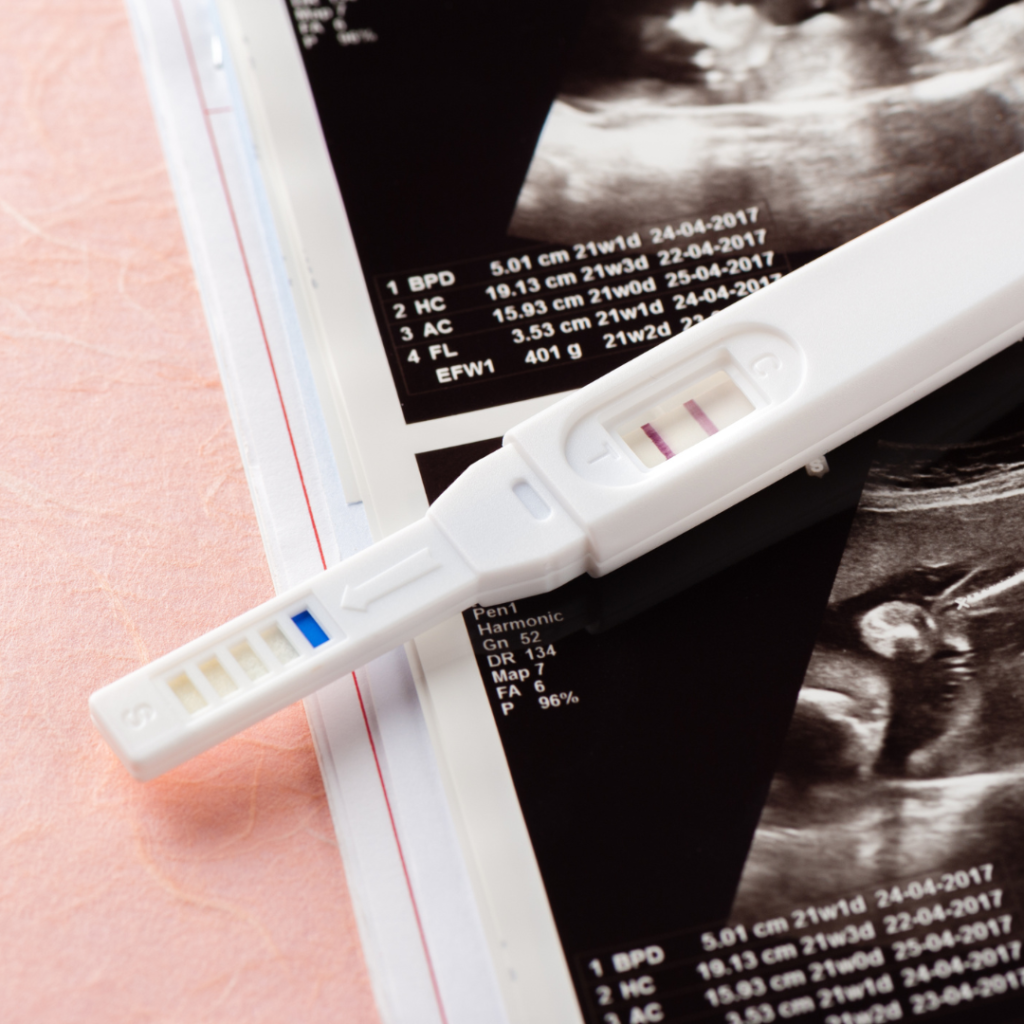
To calculate your estimated due date, add 280 days (40 weeks) to the first day of your LMP. Alternatively, you can use online due date calculators or pregnancy apps that do the math for you. Remember that only about 5% of babies are born exactly on their due date—it’s an estimate, not a guarantee. Your dating ultrasound, typically performed between 7 and 12 weeks, will provide a more accurate due date based on your baby’s measurements.
Emotional Processing and Support
The flood of emotions you’re experiencing is entirely valid. Whether this pregnancy was planned or unexpected, you may feel:
- Joy and excitement about the new life growing inside you
- Anxiety and fear about the responsibilities ahead
- Ambivalence or uncertainty about how your life will change
- Physical symptoms that make you feel unlike yourself
It’s important to acknowledge these feelings without judgment. Talk to your partner, a trusted friend, or family member about what you’re experiencing. If you’re struggling with overwhelming anxiety or depression, consider speaking with a mental health professional who specializes in perinatal mental health. Your emotional wellbeing is just as important as your physical health during pregnancy.
Deciding When to Share Your News
The decision of when to announce your pregnancy is deeply personal. Many couples choose to wait until after the 12-week mark because the risk of miscarriage drops significantly after this point. However, there’s no right or wrong answer.
Some compelling reasons to share earlier include:
- You need support during a difficult first trimester
- Your work requires you to disclose for safety reasons
- You’re excited and can’t contain your joy
Reasons to wait might include:
- You want privacy during a vulnerable time
- You’re concerned about how others might react
- You want to be certain of viability before sharing
Consider telling a small circle of trusted people first—perhaps your partner, a close friend, or your parents—so you have a support system regardless of the pregnancy’s outcome.
Immediate Medical Steps
Your health and your baby’s health begin with proper medical care. Here are the first steps to take.
Confirming Your Pregnancy with a Healthcare Provider
After a positive home test, you should schedule an appointment with your healthcare provider. While home pregnancy tests are highly accurate (over 99% when used correctly), your provider will typically confirm the pregnancy through a blood test, which can detect pregnancy earlier and measure your hCG levels more precisely.

The hCG (human chorionic gonadotropin) hormone doubles approximately every 48-72 hours in early pregnancy. Your provider may order serial blood tests to ensure your levels are rising appropriately, which is a good indicator of a healthy, progressing pregnancy.
Scheduling Your First Prenatal Appointment
Many providers schedule the first prenatal visit around 8 weeks of pregnancy. However, if you have pre-existing conditions, are over 35, or have had previous miscarriages, your provider may want to see you earlier.
This initial exam is comprehensive and may include:
- A complete physical examination, including measurement of your weight, height, and blood pressure
- A pelvic exam to check the size and position of your uterus
- A Pap smear and screening for sexually transmitted infections
- Detailed blood work (more on this below)
- A discussion of your medical and family history
- An ultrasound to confirm dates and check for a heartbeat
Choosing Your Pregnancy Care Provider
You’ll be seeing your provider a lot over the next several months, so it’s important to find someone you trust and feel comfortable with. Your options include:
OB/GYN (Obstetrician/Gynecologist):
- Medical doctor specializing in pregnancy, childbirth, and women’s reproductive health
- Can perform surgeries, including C-sections
- Ideal for high-risk pregnancies or women with complex medical histories
- Often practices in a group setting where you may see different providers
Certified Nurse-Midwife (CNM):
- Advanced practice nurse with specialized training in pregnancy and childbirth
- Focuses on natural, low-intervention birth
- Provides holistic care with an emphasis on patient education and empowerment
- May have hospital privileges or practice in birth centers
Family Medicine Physician:
- Provides care for the entire family, including pregnancy
- May be a good option for women with low-risk pregnancies
- Can continue caring for both mother and baby after birth
Maternal-Fetal Medicine Specialist (Perinatologist):
- OB/GYN with additional training in high-risk pregnancies
- May be consulted if you have pre-existing conditions or develop complications
- Often works in collaboration with your regular OB/GYN
Understanding Your Insurance Coverage
Before diving into tests and appointments, review your health insurance policy to understand your prenatal, delivery, and postnatal coverage. Key questions to ask include:
- What is my deductible and out-of-pocket maximum?
- Are there in-network vs. out-of-network providers?
- Does my plan cover childbirth education classes?
- Is a breast pump covered?
- What are the costs for ultrasounds and lab work?
- Does my plan cover doula services?
If you’re uninsured, you may qualify for Medicaid or other state-funded programs. Contact your local health department or a social worker for assistance navigating your options.
Creating a Pregnancy Medical File
Start a folder or digital file to keep all your pregnancy-related documents organized. Include:
- Your prenatal appointment schedule
- Lab results and imaging reports
- A list of all medications and supplements you’re taking
- Contact information for your healthcare team
- Insurance cards and policy information
- A list of questions for your provider
Staying organized will help you feel more in control and ensure you don’t miss any important appointments or screenings.
Medical Checkups and Screenings
Your first trimester involves several important screenings and checkups that establish the foundation for your pregnancy care.

Comprehensive Medical History Review
Your provider will ask for a detailed personal, family, and medical history. This includes:
Pre-existing Conditions:
- Diabetes (type 1, type 2, or gestational)
- High blood pressure or heart disease
- Thyroid disorders
- Autoimmune conditions (lupus, rheumatoid arthritis)
- Epilepsy or seizure disorders
- Mental health conditions (depression, anxiety)
Previous Pregnancy History:
- Number of pregnancies and births
- Previous miscarriages or pregnancy losses
- Complications in previous pregnancies (preeclampsia, preterm birth)
- Method of previous deliveries (vaginal or cesarean)
Family History:
- Genetic conditions (cystic fibrosis, Tay-Sachs, sickle cell disease)
- Birth defects
- Mental health conditions
Lifestyle Factors:
- Smoking, alcohol, or drug use
- Diet and exercise habits
- Occupational or environmental exposures (chemicals, radiation)
Initial Lab Work
Your first prenatal blood draw is comprehensive and will check for:
Complete Blood Count (CBC):
- Evaluates your red blood cells (for anemia), white blood cells (for infection), and platelets (for clotting)
- Anemia is common in pregnancy and may require iron supplementation
Blood Type and Rh Factor:
- Determines your blood type (A, B, AB, or O)
- Identifies whether you are Rh-positive or Rh-negative
- If you’re Rh-negative and your baby is Rh-positive, you may need Rh immune globulin injections to prevent complications
Immunity Screening:
- Rubella (German measles) immunity
- Varicella (chickenpox) immunity
- Hepatitis B surface antigen (to check for infection)
- Syphilis screening
- HIV testing (offered to all pregnant women)
Genetic Carrier Screening:
- Offered to all women to identify carriers of certain genetic conditions
- May include cystic fibrosis, spinal muscular atrophy, and others
- Based on your ethnicity, you may also be screened for Tay-Sachs, sickle cell disease, or thalassemia
Urinalysis:
- Checks for urinary tract infections
- Screens for protein or sugar in your urine, which could indicate preeclampsia or gestational diabetes
First Trimester Ultrasound
Between 7 and 12 weeks, you’ll likely have a dating ultrasound. This transvaginal or abdominal ultrasound provides:
- Dating confirmation: Measuring the baby from crown to rump provides the most accurate due date
- Heartbeat detection: A strong heartbeat can often be seen around 6-7 weeks
- Multiple pregnancy detection: Identifies whether you’re carrying twins, triplets, or more
- Location confirmation: Ensures the pregnancy is in the uterus (not ectopic)
- Fetal pole and yolk sac visualization: Early structures that indicate a viable pregnancy
Genetic Screening Options
Nuchal Translucency (NT) Scan:
Performed between 11 and 14 weeks, this ultrasound measures the fluid collection at the back of the baby’s neck. Increased fluid can indicate a higher risk of Down syndrome, trisomy 18, and heart defects. The NT scan is often combined with a blood test (maternal serum screening) for more accurate results.
Cell-Free DNA Testing (NIPT):
Non-invasive prenatal testing (NIPT) is a blood test that screens for chromosomal abnormalities by analyzing fetal DNA circulating in your blood. It can be performed as early as 10 weeks and is highly accurate for detecting Down syndrome, trisomy 18, and trisomy 13. NIPT is offered to all women, but may be particularly recommended for:
- Women over 35
- Those with abnormal ultrasound findings
- Women with a family history of chromosomal abnormalities
Chorionic Villus Sampling (CVS):
An invasive diagnostic test performed between 10 and 13 weeks, CVS involves taking a small sample of placental tissue for chromosomal analysis. It can diagnose genetic conditions but carries a small risk of miscarriage (about 1 in 100 to 1 in 500). It’s typically offered to women with high-risk screening results or known genetic risks.
Dental Checkup
Dental health is often overlooked during pregnancy, yet it’s incredibly important. Pregnancy hormones can cause:
- Gingivitis: Swollen, bleeding gums that can progress to periodontitis
- Pregnancy tumors: Non-cancerous growths on the gums (pyogenic granulomas)
- Tooth erosion: Caused by morning sickness and acid reflux
Regular dental cleanings and exams are safe during pregnancy and may even reduce your risk of premature birth. Inform your dentist that you’re pregnant so they can modify x-rays (using a lead apron) and avoid certain medications.
Nutrition and Lifestyle
This is where you can have the most significant impact on your pregnancy. Your baby’s brain, spinal cord, and organs are forming rapidly, and your nutritional choices directly influence this development.

Starting a Prenatal Vitamin
One of the most critical early steps is starting a daily prenatal vitamin. Here’s what to look for:
Folic Acid (400-800 mcg):
- Crucial for preventing neural tube defects (spina bifida, anencephaly)
- Supports the development of your baby’s brain and spinal cord
- Neural tube closes by week 6 of pregnancy, often before you even know you’re pregnant
- Some women need higher doses (up to 4 mg) if they have risk factors
Iron (27 mg):
- Supports the production of hemoglobin, which carries oxygen to your baby
- Prevents maternal anemia, which can cause fatigue and increase the risk of preterm birth
- Iron absorption is enhanced when taken with vitamin C
- May cause constipation, so increase fiber and fluid intake
Calcium (1000 mg):
- Essential for your baby’s bone development
- Protects your own bone health
- Your baby will draw calcium from your bones if you don’t consume enough
- Vitamin D helps with calcium absorption
DHA (Docosahexaenoic Acid):
- An omega-3 fatty acid crucial for your baby’s brain and eye development
- Found in fish and algae-based supplements
- Aims for at least 200-300 mg daily
Iodine (150 mcg):
- Essential for thyroid function and your baby’s brain development
- Many prenatal vitamins include iodine, but check the label
Vitamin B6, B12, and Vitamin C:
- Support overall health and immune function
- May help with morning sickness
While you can buy prenatal vitamins over the counter, your healthcare provider may recommend a specific brand based on your individual needs. Never take more than the recommended dose unless prescribed by your doctor.
Dietary Adjustments
Your diet becomes even more important during this time. Focus on a balanced diet that includes:
Protein (70-100 grams daily):
- Lean meats, poultry, and fish
- Eggs (pasteurized)
- Legumes (beans, lentils)
- Tofu and tempeh
- Nuts and seeds
- Greek yogurt and cottage cheese
Complex Carbohydrates:
- Whole grains (oats, quinoa, brown rice)
- Starchy vegetables (sweet potatoes, butternut squash)
- Fruits (berries, apples, bananas)
- Whole grain bread and pasta
Healthy Fats:
- Avocados
- Olive oil and avocado oil
- Nuts and seeds
- Fatty fish (salmon, sardines)
- Chia seeds and flaxseeds
Fruits and Vegetables (5+ servings daily):
- Variety of colors ensures diverse nutrients
- Choose organic when possible to reduce pesticide exposure
- Wash thoroughly before eating
Hydration (8-12 cups daily):
- Water is the best choice
- Herbal teas (avoid chamomile in the first trimester due to possible uterine stimulation)
- Broths and soups
- Limit high-sugar drinks
300 Extra Calories Daily:
- About a handful of nuts and a piece of fruit
- Not a license to eat everything in sight
- Choose nutrient-dense calories
Foods to Avoid or Limit
Your immune system is lowered during pregnancy, making you more susceptible to foodborne illness.
Raw or Undercooked Meat:
- Toxoplasmosis and listeriosis risk
- Cook all meat to a safe internal temperature
- Avoid sushi with raw fish
Deli Meats and Hot Dogs:
- Listeria risk if not heated thoroughly
- Heat until steaming if you choose to eat them
Unpasteurized Dairy:
- Listeria risk in soft cheeses (brie, feta, queso fresco, blue cheese)
- Check labels for pasteurized milk
- Avoid raw milk
Fish with High Mercury:
- Shark, swordfish, king mackerel, tilefish
- Limit albacore tuna to 6 ounces per week
- Avoid mercury exposure, which can harm fetal brain development
Caffeine (under 200 mg daily):
- One 12-ounce cup of coffee
- Or 2-3 cups of tea
- Or 2-3 cans of soda
- High caffeine intake linked to miscarriage risk
Alcohol:
- No safe amount during pregnancy
- Can cause fetal alcohol syndrome
- Avoid in all forms (wine, beer, spirits, cooking wines)
Herbal Supplements:
- Not regulated by the FDA
- Some herbs (such as black cohosh, blue cohosh) can cause uterine contractions
- Consult your provider before taking any herbal supplements
High-Risk Foods:
- Raw sprouts (alfalfa, clover, radish)
- Unwashed fruits and vegetables
- Soft-cooked eggs (avoid if undercooked)
- Raw or undercooked shellfish
Managing Food Cravings and Aversions
Food cravings and aversions are common during the first trimester due to hormonal changes. While some cravings are harmless (pickles and ice cream!), consider healthier alternatives:
- Sweet cravings: Try fruit, yogurt, or dark chocolate
- Salty cravings: Choose nuts, popcorn, or roasted chickpeas
- Crunchy cravings: Fresh vegetables with hummus
If you crave non-food items like dirt, chalk, or laundry starch, you may have pica—a condition often associated with iron deficiency. Contact your provider immediately.
Food aversions can make it difficult to get adequate nutrition. Try:
- Eating small, frequent meals
- Adding ginger or lemon to water
- Trying cold foods that have less aroma
- Eating what you can tolerate and make up nutrients later
Physical and Mental Wellbeing
Your body is working overtime. Here’s how to support it through the changes.
Understanding First Trimester Symptoms
Morning Sickness (Nausea and Vomiting):
Affects about 8 out of 10 pregnant women and can strike at any time of day. Symptoms are caused by rising hCG and estrogen levels. Management strategies include:
- Eating small, frequent meals to avoid an empty stomach
- Keeping crackers or toast by your bedside and eating before getting up
- Ginger tea, ginger candies, or ginger ale (with real ginger)
- Vitamin B6 supplements (25 mg three times daily)
- Acupressure bands (like Sea-Bands)
- Prescription medications if severe (ask your provider)
Extreme Fatigue:
Caused by hormonal changes, lowering of blood pressure, and increased blood production. Coping strategies:
- Prioritize sleep; go to bed early
- Take short naps during the day if possible
- Delegate tasks to conserve energy
- Exercise gently to boost energy levels
- Accept help from others
Breast Changes:
Tenderness, swelling, and darkening of the areolas are due to increased blood flow and hormone levels. Support strategies:
- Wear a supportive, comfortable bra
- Consider a maternity or nursing bra for support
- Avoid underwire bras if they’re uncomfortable
Frequent Urination:
The growing uterus presses on your bladder. Management:
- Empty your bladder completely
- Avoid caffeinated and carbonated beverages
- Don’t reduce fluid intake—this is essential
Constipation and Bloating:
Progesterone slows down digestion. Management:
- Increase fiber intake (fruits, vegetables, whole grains)
- Drink plenty of water
- Exercise gently
- Ask your provider about stool softeners if needed
Mood Swings:
Hormonal shifts can cause emotional volatility. Coping:
- Practice self-compassion and self-care
- Communicate with your partner about your feelings
- Seek support from friends, family, or a therapist
- Consider joining a pregnancy support group
Exercise During the First Trimester
Unless your doctor advises against it, continue your exercise routine. Benefits include:
- Reduced back pain
- Better sleep quality
- Improved mood
- Lower risk of gestational diabetes
- Easier labor and delivery
Recommended Exercises:
- Walking: Safe throughout pregnancy
- Swimming: Great for cardiovascular health and reduces joint pressure
- Prenatal yoga: Improves flexibility and relaxation
- Stationary cycling: Safe, low-impact option
- Light strength training: Use light weights and focus on form
- Pelvic floor exercises (Kegels): Prepare for delivery and prevent incontinence
Exercises to Avoid:
- Contact sports (skiing, soccer, basketball)
- Scuba diving (risk of decompression sickness)
- Hot yoga or exercise in extreme heat (risk of hyperthermia)
- Lying flat on your back after the first trimester
- High-impact activities with risk of falling
Guidelines:
- Warm up and cool down properly
- Stay hydrated before, during, and after exercise
- Don’t overexert; be able to talk comfortably
- Listen to your body and stop if you feel dizzy, have chest pain, or experience bleeding
When to Call Your Doctor:
- Vaginal bleeding during or after exercise
- Dizziness or faintness
- Shortness of breath before exercise
- Chest pain
- Headache
- Calf pain or swelling (possible blood clot)
- Fluid leaking from the vagina
Rest and Sleep
Your body is building a placenta and growing a baby—activities that require enormous energy. Sleep hygiene tips:
- Sleep on your side: Left side is best for circulation
- Use pillows: Between your knees and under your belly
- Reduce caffeine: After noon to promote nighttime sleep
- Create a relaxing bedtime routine: Warm bath, reading, meditation
- Keep your bedroom cool, dark, and quiet
Mental Health and Emotional Wellbeing
Pregnancy is an emotional rollercoaster, and it’s normal to feel a mix of joy, anxiety, fear, and excitement. Consider:
Self-Care Practices:
- Journaling about your thoughts and experiences
- Practicing meditation or mindfulness
- Taking time for hobbies and interests
- Socializing with supportive friends and family
- Setting boundaries to protect your peace
Common Mental Health Concerns:
- Anxiety: Up to 15% of pregnant women experience anxiety, which may include excessive worry, panic attacks, or obsessive thoughts. Seek support if symptoms interfere with daily life.
- Depression: About 10-20% of pregnant women experience depression. Signs include persistent sadness, loss of interest, changes in appetite or sleep, and difficulty functioning. Talk to your provider about counseling options and pregnancy-safe antidepressants.
- Obsessive-Compulsive Disorder (OCD): May worsen or appear during pregnancy. Intrusive thoughts about harm to the baby are distressing but common.
- Post-Traumatic Stress Disorder (PTSD): Previous traumatic experiences can surface during pregnancy. Consider trauma-informed therapy.
Building a Support Network:
- Your partner, family, and friends
- A therapist specializing in perinatal mental health
- Pregnancy support groups (in-person or online)
- Community organizations (birth centers, faith communities)
- Your healthcare provider and care team
Practical Preparations for the Months Ahead
It’s never too early to start planning for your new arrival.
Financial Planning
Babies are expensive. The average cost of raising a child from birth to age 18 in the United States is about $233,610 (excluding college). Start planning now:
Budgeting Tips:
- Track your current spending
- Create a category for “baby expenses”
- Look for ways to cut back on discretionary spending
- Build an emergency fund for unexpected expenses
Major Expenses to Save For:
- Birthing costs: Out-of-pocket maximums, hospital fees
- Baby gear: Crib, car seat, stroller, diapers
- Childcare: Varies widely by location and type of care
- Medical expenses: Copays, deductibles, child’s healthcare
- Lost income: Maternity or paternity leave (unpaid)
- College savings: Future education expenses
Finding Financial Support:
- Government programs: WIC (Women, Infants, and Children), Medicaid, SNAP
- Community resources: Free childbirth classes, secondhand baby gear
- Employer benefits: FSA/HSA accounts, parental leave policies
- Crowdfunding: In some circumstances
Your Home and Baby Gear
Setting Up a Nursery:
Start thinking about the nursery, even if you won’t use it for a few months. Key items:
- Crib or bassinet: Safe sleep surface with firm mattress and fitted sheet
- Changing table: With storage for diapers and wipes
- Dresser: With baby clothes, blankets, and burp cloths
- Glider or rocking chair: For feeding and soothing
- Baby monitor: Audio or video for peace of mind
Baby Essentials:
- Clothing: Onesies, sleepers, socks, hats, mittens
- Diapers and wipes: Newborn size (12-20 diapers daily)
- Feeding: Bottles, nipples, breast pump, nursing pillow, formula
- Sleep: Swaddles, sleep sacks, white noise machine
- Transport: Car seat (rear-facing), stroller, baby carrier
- Bathing: Bathtub, baby wash, washcloths, towels
- Health: Nail clippers, baby thermometer, nasal aspirator, first-aid kit
Parental Leave and Work Policies
Review your employer’s policies on:
Maternity Leave:
- How much paid or unpaid leave is available?
- What is the process for requesting leave?
- Do you need to use sick days or vacation days first?
- What happens to your health insurance during leave?
Paternity Leave:
- Does your partner’s employer offer paid leave?
- Coordinate timing to maximize care coverage
- Discuss childcare sharing and household responsibilities
Family and Medical Leave Act (FMLA):
- Provides 12 weeks of unpaid, job-protected leave
- Applies to employers with 50+ employees
- You must have worked 1,250 hours in the past year
- Check with HR about eligibility
Return to Work Planning:
- Think about your childcare options
- Plan for pumping and breastfeeding support
- Adjust your job responsibilities (if possible)
- Consider flexible work arrangements
Education and Preparation
Childbirth Education Classes:
Starting in the second trimester, sign up for childbirth classes. These cover:
- Stages of labor and delivery
- Pain management options (natural, epidural, medications)
- Birth plan development
- Comfort techniques (breathing, positioning, massage)
- Baby care and breastfeeding basics
- Newborn safety and CPR
Breastfeeding Classes:
Learn about latching, positioning, milk production, and pumping. Many hospitals offer these classes, or you can find them through lactation consultants or community organizations.
Newborn Care Classes:
Cover diaper changing, bathing, swaddling, soothing techniques, and sleep safety.
Hospital Preparation:
- Register at the hospital where you plan to deliver
- Take a hospital tour (often offered as part of childbirth classes)
- Pack a hospital bag (around 35-37 weeks)
- Arrange transportation to the hospital
Legal and Administrative Tasks
Legal Planning:
- Will and guardianship: If something happens to you, who will care for your child?
- Power of attorney: For financial and medical decisions
- Life insurance: Consider a policy to protect your family
- Child care arrangements: Backup and permanent care
Administrative Updates:
- Health insurance: Add your baby to your policy
- Social Security: Apply for a number after birth
- Employer: Provide a birth certificate and update your benefits
- Bank accounts: Start a savings or college fund
- Tax considerations: Review your withholdings and potential changes
Self-Care During the First Trimester
Physical Self-Care:
- Rest when you need to. Your body is working hard to grow a baby.
- Eat regularly. Small, frequent meals can help with nausea and maintain blood sugar levels.
- Hydrate. Drink plenty of water throughout the day.
- Move gently. Prenatal yoga, walking, and swimming are great options.
- Listen to your body. If something doesn’t feel right, stop and check in with your healthcare provider.
Emotional Self-Care:
- Give yourself grace. It’s okay if you’re not feeling “pregnancy bliss” right now.
- Communicate your needs. Share your feelings with your partner, friends, or family.
- Take time for yourself. Reading, taking a bath, or meditating.
- Join a support group. Connecting with others in early pregnancy can be helpful.
- Be gentle with yourself. You don’t have to be perfect. This is a time of many changes.
Social Self-Care:
- Identify your support system. Who can you call on for help?
- Build your “village.” Reach out to friends and family.
- Set boundaries. It’s okay to say no to things that drain you.
The Role of Your Partner and Support System
If you have a partner or support person, their involvement during the first trimester can make a significant difference in your experience.
How Your Partner Can Support You
Emotional Support:
- Listen to your concerns without judgment
- Validate your feelings—don’t dismiss them
- Attend appointments with you when possible
- Be patient with mood swings and fatigue
Physical Support:
- Help with household tasks (cleaning, laundry, cooking)
- Take over errands and grocery shopping
- Prepare meals that you can tolerate
- Rub your back or feet when you’re uncomfortable
Practical Support:
- Research childbirth classes and prepare a birth plan together
- Help interview and select a provider
- Manage the budget and financial planning
- Assist in setting up the nursery
- Take care of your other children (if applicable)
Communicating Your Needs
- Be clear: Tell your partner exactly what you need.
- Be specific: Instead of “help more,” say “can you take over dinner prep this week?”
- Be patient: Your partner may not always understand what you’re going through. Educate them about pregnancy symptoms.
- Be a team: Approach pregnancy and parenting as a partnership.
How to Talk to Other Children
If you have other children, you may want to tell them about the new baby in an age-appropriate way:
Toddlers: Use simple language (e.g., “Mommy has a baby growing in her belly”). Show them pictures of babies. Let them feel your belly.
Preschoolers: Explain that babies grow inside mommies and how they will be a big sibling. Address their concerns about sharing attention.
School-aged children: Give them more details about development and pregnancy. Let them ask questions. Include them in preparing for the baby.
Teens: They may have complex feelings. Respect their autonomy. Encourage open conversation about their role as a sibling.
Involving Grandparents
Grandparents can be a wonderful source of support. Communicate your boundaries and expectations about their involvement from the beginning. Include them in the pregnancy journey by sharing ultrasound photos and involving them in preparations, while also setting clear boundaries about visits and involvement after birth.
Work and Career Considerations
Balancing work with the demands of early pregnancy can be challenging, especially if you’re dealing with morning sickness, fatigue, and brain fog.
Disclosing Your Pregnancy at Work
When to tell your boss is a personal decision. Some factors to consider:
- Your work environment: Is it supportive? Do you have legal protections?
- Your pregnancy symptoms: If they’re impacting your ability to work, you may need to disclose earlier.
- Your job requirements: Are there any safety concerns (e.g., lifting heavy objects, exposure to chemicals) that require immediate disclosure?
- Your company culture: Some companies are more family-friendly than others.
Tips for Disclosing:
- Schedule a meeting: Speak privately with your supervisor.
- Be prepared: Know how you’ll address your leave plan and accommodations.
- Be confident: You have legal rights. Pregnancy discrimination is illegal.
- Focus on your value: Assure them of your continued commitment to your job.
Legal Protections:
- Pregnancy Discrimination Act (PDA): Prohibits discrimination based on pregnancy, childbirth, or related medical conditions.
- Family and Medical Leave Act (FMLA): Provides up to 12 weeks of unpaid leave for the birth of a child.
- Americans with Disabilities Act (ADA): May apply if pregnancy complications qualify as a disability.
- Your state’s laws: Many states have additional protections.
Requesting Accommodations
If you’re struggling with pregnancy symptoms, you may be able to request accommodations under the Americans with Disabilities Act (ADA), as pregnancy can be considered a temporary disability. Reasonable accommodations might include:
- More frequent breaks
- Temporary light duty (no heavy lifting)
- Remote work options
- A chair or ergonomic equipment
- A different schedule to accommodate your energy levels
Planning for Maternity Leave
Understand Your Options:
- Paid leave: Check your company’s policy.
- Unpaid leave: FMLA provides job-protected leave (12 weeks in the U.S.).
- Short-term disability: May cover some portion of your salary during leave.
- State leave: Many states (like CA, NY, NJ, MA, WA, CO) offer paid family leave programs. Check your state’s policies.
Financial Planning for Leave:
- Save money to cover expenses during unpaid leave.
- Talk to HR about how your health insurance will be covered.
- Plan for baby’s medical expenses.
Preparing for Your Return to Work
- Talk to HR: Understand your rights and options.
- Consider childcare: Start early. Waiting lists can be long.
- Plan for pumping: If you plan to breastfeed, discuss pumping arrangements with your employer.
- Be flexible: Your role may change when you return.
Travel and Lifestyle During the First Trimester
Life doesn’t stop when you’re pregnant, but you may need to make some adjustments.
Travel During Early Pregnancy
Unless you have complications, travel during the first trimester is generally safe. However, consider:
Air Travel:
- Most airlines allow travel until 36 weeks (or earlier for multiples)
- Book an aisle seat for easy bathroom access
- Walk around every 1-2 hours to reduce the risk of blood clots
- Wear compression stockings
- Drink plenty of water (avoid caffeine and alcohol)
- Move your ankles and feet during the flight
Road Trips:
- Take breaks every 2-3 hours to stretch and walk
- Wear your seatbelt correctly (lap belt under your belly, shoulder belt across your chest)
- Keep snacks and water in the car
- Use the restroom frequently
International Travel:
- Check with your provider about vaccinations and safety
- Avoid malaria-prone areas
- Consider travel insurance that covers pregnancy-related issues
- Know the location of the nearest hospital
Safer Alternatives for Lifestyle Activities
Hot Tubs and Saunas:
- Avoid during the first trimester due to risk of hyperthermia
- Elevated core body temperature is linked to neural tube defects
- Wait until after the first trimester, then limit to 10 minutes below 100°F
Beauty Treatments:
- Hair dye: Generally safe, but avoid close contact with the scalp (use highlights instead)
- Manicures and pedicures: Safe, but avoid nail polish with phthalates
- Facials: Safe if non-toxic products are used
- Botox: Not recommended during pregnancy
- Massage: Safe if performed by a certified prenatal massage therapist
Household Products:
- Cleaning products: Switch to natural alternatives (vinegar, baking soda) and wear gloves
- Paint: Avoid exposure to lead and volatile organic compounds (VOCs). Consider waiting for painting projects, and use low-VOC paints if necessary.
- Pesticides: Avoid the application of pest control at home. Use non-toxic deterrents.
Gardening:
- Be cautious about toxoplasmosis from soil exposure. Wear gloves and wash your hands thoroughly.
- Pesticides: Avoid if possible. Use organic alternatives.
Warning Signs and When to Call Your Provider
While most first-trimester symptoms are normal, some require immediate medical attention.
When to Call Your Healthcare Provider
Vaginal Bleeding or Spotting:
- Light spotting in early pregnancy may be normal, but call your provider for any bleeding.
- Heavy bleeding (like a period) or clots could indicate miscarriage or ectopic pregnancy.
- Pain accompanying bleeding is also concerning.
Severe Abdominal or Pelvic Pain:
- Mild, achy cramping is common as your uterus expands.
- Sharp, severe pain on one side of your abdomen could indicate an ectopic pregnancy.
- Burning or stabbing pain may be a sign of infection, ovarian cyst, or other issues.
Dizziness or Fainting:
- Can be related to low blood pressure or anemia, but it’s worth discussing with your provider.
- Fainting could indicate a drop in blood pressure or dehydration.
Nausea and Vomiting:
- Mild nausea is normal and manageable.
- Hyperemesis gravidarum is severe, excessive nausea and vomiting that can cause dehydration, weight loss, and electrolyte imbalances. It requires medical treatment, possibly including IV fluids and medications.
Signs of Infection:
- Fever (over 101°F or 38.3°C)
- Chills and body aches
- Pain or burning during urination (UTI)
- Unusual vaginal discharge (green, yellow, foul-smelling)
Signs of Ectopic Pregnancy:
- Sharp, stabbing pain on one side of the pelvis
- Vaginal bleeding (light or heavy)
- Shoulder pain (referred pain from internal bleeding)
- Dizziness or fainting (sign of internal bleeding)
- If you experience these symptoms, seek emergency medical care immediately.
Signs of Miscarriage:
- Vaginal bleeding (heavy or with clots)
- Severe abdominal cramping (like a heavy period)
- Back pain
- Loss of pregnancy symptoms (nausea, breast tenderness)
- If you experience these symptoms, contact your provider immediately.
Other Symptoms:
- Sudden or severe headache
- Vision changes (blurring, spots, flashes)
- Chest pain or shortness of breath
- Pain, swelling, or redness in the calf (possible blood clot)
- Decreased fetal movement (after 16-20 weeks, you’ll feel baby move. If movement decreases, call your provider.)
- Gush of fluid from the vagina (may indicate ruptured membranes)
Recognizing and Managing Hyperemesis Gravidarum
Hyperemesis gravidarum is severe, persistent nausea and vomiting that can cause dehydration, weight loss, and electrolyte imbalances. It affects about 0.3-3% of pregnancies. If you are experiencing:
- Inability to keep food or liquids down
- Significant weight loss (5% or more of pre-pregnancy weight)
- Dark-colored urine or infrequent urination
- Severe fatigue or weakness
Seek medical care immediately. Treatment may include IV fluids, anti-nausea medications, and nutritional support.
Conclusion
The first trimester is a period of remarkable transformation and adjustment. From the moment you see those two pink lines, you embark on a journey that is both exhilarating and challenging. By following this comprehensive checklist, you are taking proactive steps to ensure a healthy pregnancy, a healthy baby, and a more manageable experience for yourself.
Recap of Key Actions:
- Confirm your pregnancy with a healthcare provider and schedule your first prenatal appointment.
- Choose your care team—OB/GYN, midwife, or family physician—and establish a relationship with them.
- Begin prenatal vitamins with folic acid, iron, and DHA.
- Adopt a healthy diet rich in protein, whole grains, fruits, and vegetables.
- Avoid harmful substances—alcohol, tobacco, and recreational drugs.
- Stay active with moderate exercise, and get plenty of rest.
- Manage morning sickness with small, frequent meals, ginger, and vitamin B6.
- Seek emotional support from your partner, friends, family, or a therapist.
- Plan financially for the arrival of your baby.
- Educate yourself about pregnancy, childbirth, and newborn care.
- Know the warning signs and when to call your provider.
Final Thoughts:
Every pregnancy is unique. Your first trimester might be textbook smooth or filled with surprises. Trust your body, trust your instincts, and lean on the support system you build. Your healthcare provider is your partner in this journey—never hesitate to ask questions or express concerns.
Pregnancy is not about perfection; it’s about preparation, resilience, and growth. As you navigate the beautiful, messy, and awe-inspiring journey of bringing a new life into the world, remember to give yourself grace. The first trimester lays the foundation for the months ahead, and by taking these steps, you’re building a strong, healthy start for both you and your baby.
Frequently Asked Questions (FAQs)
1. When should I take a pregnancy test?
For the most accurate result, wait until the first day of your missed period. Testing too early can yield a false negative because the pregnancy hormone (hCG) may not be high enough to detect. For best results, test your urine first thing in the morning, when hCG levels are most concentrated.
2. What if my pregnancy test line is very faint?
A faint line is almost always a positive result. It simply means your hCG levels are still low because you are in the very early stages of pregnancy. You can take another test in a few days to see a darker line. If you’re still uncertain, schedule a blood test with your provider for confirmation.
3. Why is folic acid so important?
Folic acid is a B vitamin that is critical in the early weeks of pregnancy for preventing neural tube defects—serious birth defects of the baby’s brain and spinal cord. The neural tube closes by week 6 of pregnancy, often before you even know you’re pregnant. That’s why it’s essential to start a prenatal vitamin with folic acid as soon as you start trying to conceive or as soon as you find out you’re pregnant.
4. Is it safe to exercise during the first trimester?
For most women, yes! Moderate exercise is beneficial and encouraged during pregnancy. It can help manage weight, improve mood, and even aid in labor. However, always consult your doctor first to ensure it’s safe for your specific situation. Safe options include walking, swimming, prenatal yoga, and stationary cycling. Avoid contact sports, high-risk activities, and lying flat on your back after the first trimester.
5. How do I choose between an OB/GYN and a midwife?
An OB/GYN is a medical doctor specializing in pregnancy, childbirth, and women’s reproductive health. They are essential for high-risk pregnancies and can perform surgeries, including C-sections. A certified nurse-midwife (CNM) provides a more holistic, low-intervention approach and is often chosen by low-risk women for a less medicalized birth experience. Some women choose both, with a midwife providing support and a doctor overseeing their care.
6. Should I tell my employer I’m pregnant?
This is a personal decision. Legally, you are not required to tell your employer immediately. Some women tell their boss early if they experience severe morning sickness, while others wait until the end of the first trimester when the risk of miscarriage drops. Consider your workplace culture, your relationship with your supervisor, and the practical implications of your pregnancy on your job.
7. What foods should I avoid in the first trimester?
Avoid raw or undercooked meat, fish with high mercury (shark, swordfish, king mackerel), unpasteurized dairy products, deli meats (unless heated), raw sprouts, and raw or undercooked eggs. Also limit caffeine to under 200 mg daily (about one 12-ounce cup of coffee) and completely avoid alcohol.
8. What over-the-counter medications are safe during pregnancy?
Always check with your provider before taking any medication. Generally, prenatal vitamins, acetaminophen (for pain and fever), and certain antihistamines (for allergies) may be safe. Avoid ibuprofen, naproxen, and aspirin (unless prescribed) in the first trimester. For nausea, vitamin B6 and ginger are often recommended.
9. Is it safe to travel during the first trimester?
Generally, yes—unless you have complications. Air travel is safe, but take precautions: move around every 1-2 hours, wear compression stockings, and stay hydrated. Road trips are also safe but take frequent breaks. International travel requires careful planning, including checking for recommended vaccinations and avoiding malaria-prone areas. Always discuss travel plans with your provider.
10. What are the most common first-trimester symptoms?
The most common first-trimester symptoms include nausea and vomiting (morning sickness), extreme fatigue, breast tenderness and swelling, frequent urination, constipation, bloating, mood swings, food cravings and aversions, and mild cramping as your uterus expands.
11. When should I call my provider during the first trimester?
Call your provider if you experience heavy vaginal bleeding, severe abdominal pain, dizziness or fainting, severe nausea and vomiting (unable to keep fluids down), fever over 101°F (38.3°C), signs of infection (painful urination, unusual discharge), or signs of ectopic pregnancy (sharp stabbing pain on one side, shoulder pain, fainting).
12. Is spotting normal in the first trimester?
Light spotting is common in early pregnancy and can be caused by implantation bleeding, cervical changes, or minor irritation. However, any bleeding during pregnancy should be discussed with your provider to rule out complications like miscarriage or ectopic pregnancy.
13. How much weight should I gain in the first trimester?
Weight gain in the first trimester is minimal—about 2-4 pounds total. Some women may lose weight due to morning sickness. Your provider will guide you on appropriate weight gain based on your pre-pregnancy BMI. Generally, overweight women may gain 1-2 pounds in the first trimester, while underweight women may gain more.
14. When can I hear the baby’s heartbeat?
A baby’s heartbeat can usually be detected by ultrasound around 6-7 weeks of pregnancy. With a Doppler device, your provider may be able to hear the heartbeat around 10-12 weeks. The heartbeat is a reassuring sign of a viable pregnancy.
15. Can I dye my hair during pregnancy?
Most experts agree that hair dye is generally safe during pregnancy, especially after the first trimester. However, consider highlights to limit scalp absorption, choose ammonia-free dyes, and ensure good ventilation in the salon. Always discuss with your provider.
16. What is the nuchal translucency scan?
The nuchal translucency (NT) scan is an ultrasound performed between 11 and 14 weeks to measure the fluid collection at the back of the baby’s neck. Increased fluid can indicate a higher risk of Down syndrome, trisomy 18, and heart defects. It’s often combined with a blood test for more accurate results.
17. What is cell-free DNA testing (NIPT)?
Non-invasive prenatal testing (NIPT) is a blood test that screens for chromosomal abnormalities by analyzing fetal DNA circulating in your blood. It can be performed as early as 10 weeks and is highly accurate for detecting Down syndrome, trisomy 18, and trisomy 13. NIPT is offered to all women, but it may be particularly recommended for those over 35 or with other risk factors.
18. Can I have a miscarriage without knowing it?
Yes, some miscarriages occur before you even know you’re pregnant. However, if you are aware of your pregnancy, any bleeding or cramping should be evaluated by a healthcare provider. Some early miscarriages may feel like a heavy period with clots.
19. Does stress cause miscarriage?
Severe, chronic stress may increase the risk of miscarriage, but the relationship is complex. Acute stress (like a tough day at work) doesn’t cause miscarriage. If you’re feeling overwhelmed, seek support from your partner, friends, or a mental health professional. Self-care and stress management are important for your overall health.
20. When should I start telling people I’m pregnant?
This is entirely up to you! Many women wait until the end of the first trimester (around 12-13 weeks) because the risk of miscarriage drops significantly after that point. However, you may choose to tell a close group of trusted friends and family earlier for support. There’s no right or wrong time. Trust your instincts.