Table of Contents
Introduction: What are 15 Early Signs of Pregnancy?
For many women, the journey into motherhood begins not with a positive test stick, but with a whisper—a subtle, almost imperceptible shift in how their body feels. Long before a missed period confirms conception, the body embarks on a complex hormonal symphony. Human chorionic gonadotropin (hCG), progesterone, estrogen, and prolactin begin their dramatic rise, triggering a cascade of physical and emotional changes.
But here’s the challenge: early pregnancy symptoms are notoriously tricky. They mimic premenstrual syndrome (PMS), stress, or even an impending flu. Some women feel everything by day 10 post-ovulation; others sail through the first trimester with no clues at all.
Why should you learn these 15 signs? Because knowledge empowers you to listen to your body’s unique language. Whether you are actively trying to conceive or simply want to understand your reproductive health, recognizing these early signals can help you seek timely prenatal care, adjust your lifestyle, and prepare emotionally for the journey ahead.
Let’s explore each sign in depth—backed by reproductive physiology and real-world experience.
1. Implantation Bleeding: The Very First Clue
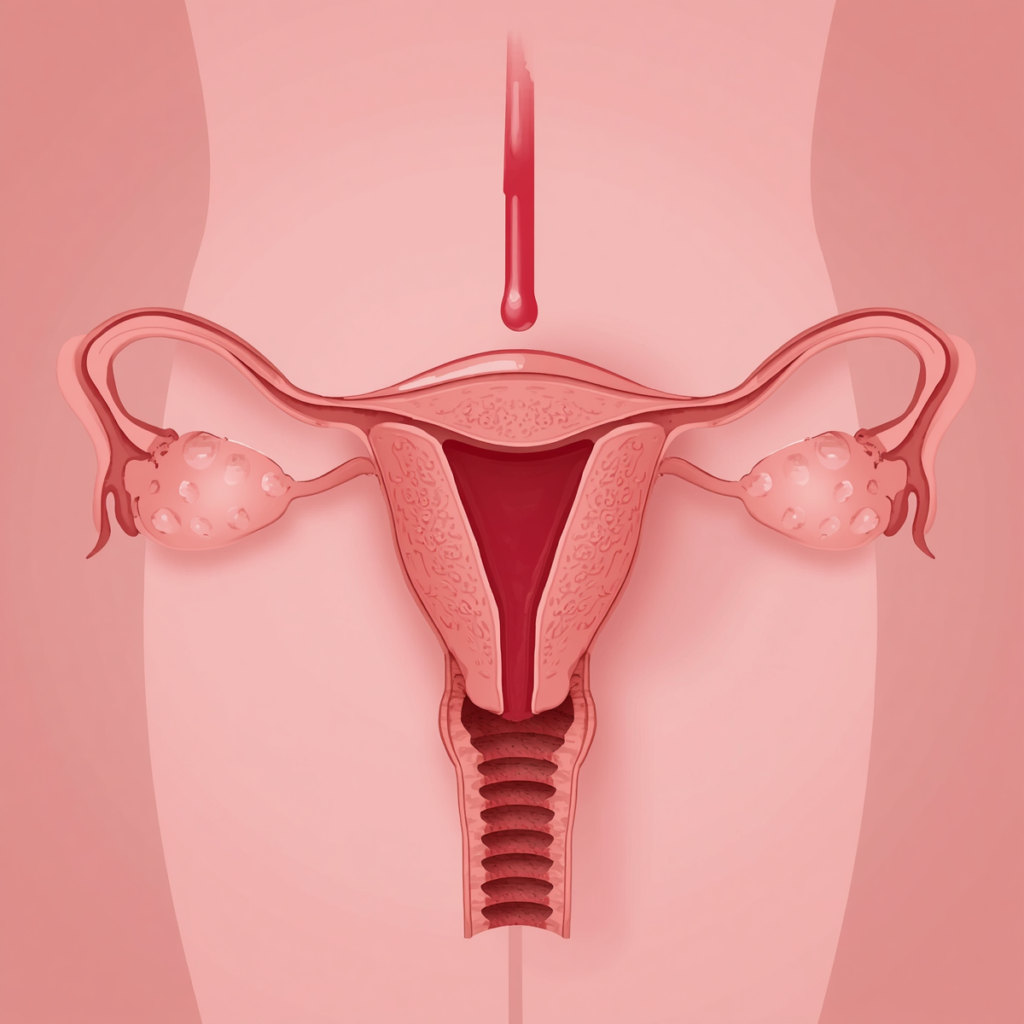
Before a missed period, even before a home test turns positive, some women notice a few drops of blood on their underwear or when wiping. This is implantation bleeding, and it occurs approximately 6 to 12 days after conception.
What exactly happens? After a sperm fertilizes an egg, the resulting blastocyst travels down the fallopian tube and burrows into the richly vascularized lining of the uterus. This burrowing action disrupts tiny blood vessels, causing a small amount of blood to be released.
How to distinguish it from a period: Implantation bleeding is usually:
- Pink or brown (never bright red like a period)
- Scant (just spotting, not enough to fill a pad or tampon)
- Short-lived (a few hours to two days at most)
- Cramp-free or with very mild twinges
Many women mistake this for an early, light period and don’t realize they’re pregnant until the next cycle misses. If you see spotting around days 21–24 of a 28-day cycle, consider it a possible early flag.
2. Breast Tenderness and Swelling: More Than PMS
If you’ve ever complained of sore breasts before your period, early pregnancy breast changes may feel like PMS on steroids. This is one of the most common signs, often appearing as early as one to two weeks after conception.
The hormonal driver: Progesterone and hCG stimulate the mammary glands to prepare for milk production. Blood flow to the breasts increases, and the milk ducts begin to expand. This causes a sensation of heaviness, fullness, and extreme sensitivity.
Key differences from premenstrual breast pain:
- Intensity: Pregnancy-related tenderness is often sharper, more persistent, and may make sleeping on your stomach uncomfortable.
- Areola changes: The dark skin around your nipple (areola) may darken, widen, or develop small, raised bumps (Montgomery tubercles).
- Vein visibility: You might notice blue veins becoming more pronounced under the skin due to increased blood volume.
Some women describe the feeling as “bruised” or “burning.” The good news? For most, this extreme tenderness subsides after the first trimester as the body adjusts.
3. Fatigue That Feels Like a Wall of Exhaustion
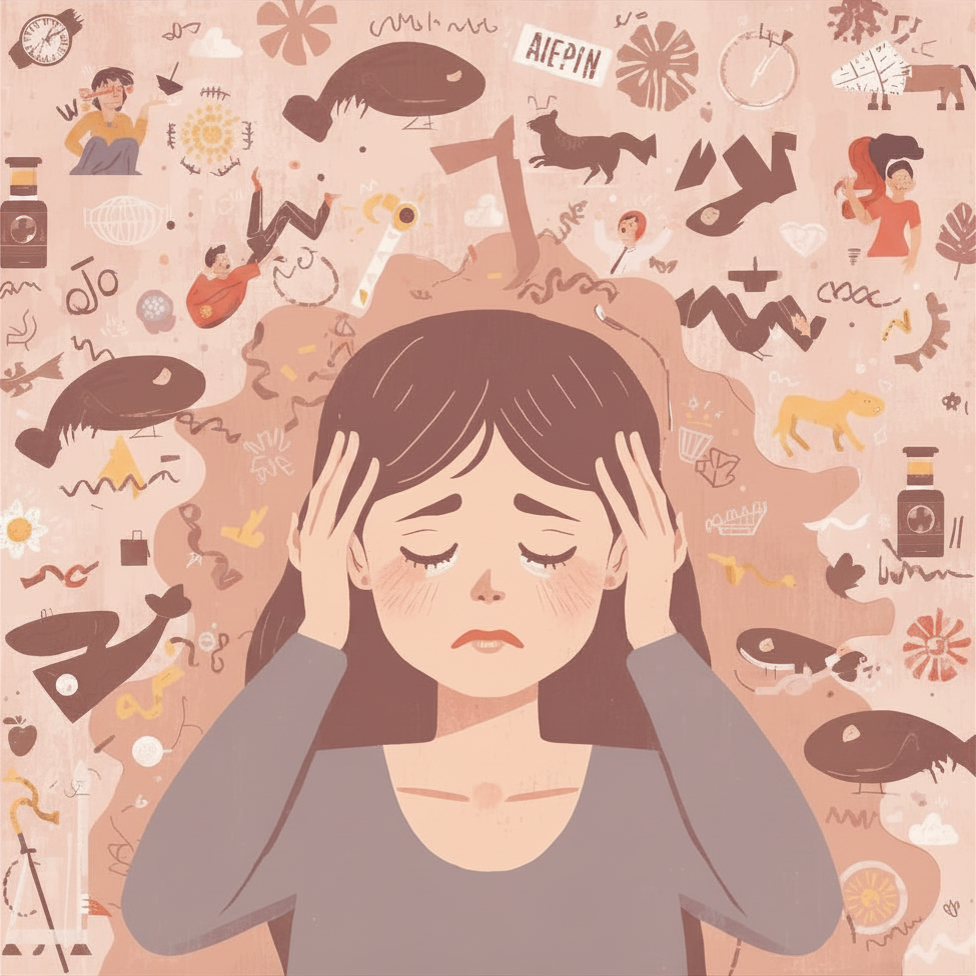
You slept eight hours. You had your morning coffee. Yet by 10 a.m., you feel like you could collapse into a nap. This level of fatigue—unlike ordinary tiredness—is a hallmark of early pregnancy.
Why does it happen? Your body is building a placenta from scratch. This organ doesn’t fully take over hormone production until around week 12. Until then, your corpus luteum (a temporary ovarian structure) works overtime producing progesterone. Progesterone is a natural sedative; it slows down your metabolism, lowers blood pressure, and makes you feel sluggish.
Additionally, your blood volume begins to increase (by up to 50% by the end of pregnancy), and your heart works harder to pump this extra fluid. Early on, your red blood cell count may not keep pace, leading to relative anemia and profound tiredness.
What to do: Listen to your body. Short naps, early bedtimes, and iron-rich foods (spinach, lean red meat, lentils) can help. If fatigue is debilitating, ask your doctor to check your thyroid and iron levels.
4. Nausea With or Without Vomiting (Not Just Morning Sickness)
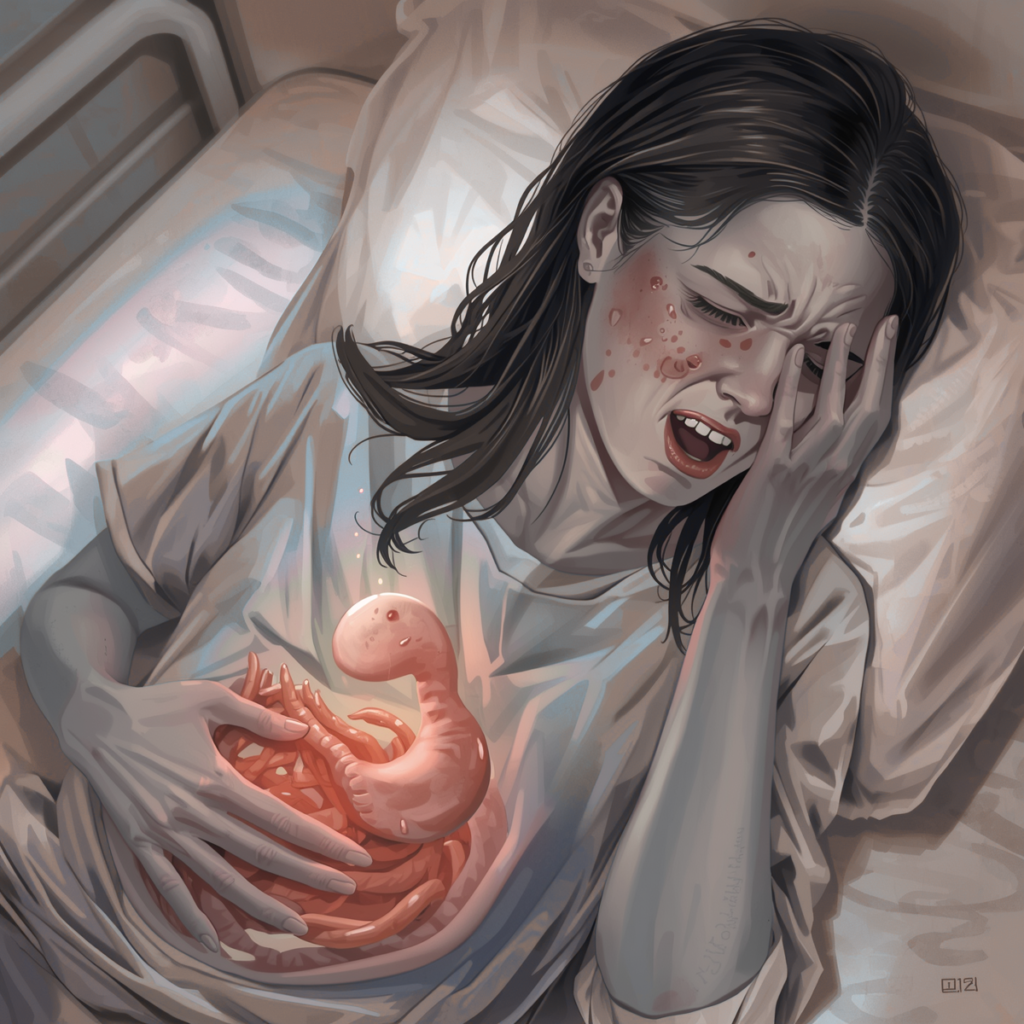
Despite its name, “morning sickness” can strike at any hour—noon, night, or 3 a.m. This symptom typically begins around week 4 to 6 of pregnancy but can start as early as two weeks post-conception for sensitive individuals.
The culprits: Rapidly rising hCG and estrogen levels are the primary suspects. High hCG correlates with more severe nausea (which is why women with twins often have worse symptoms). Additionally, a heightened sense of smell (see sign #10) can trigger nausea from odors that never bothered you before—coffee, cooked meat, perfume, or even toothpaste.
Unique patterns:
- Retronasal nausea: You may feel sick after eating certain foods, not just before.
- Dry heaving: Some women gag without vomiting anything.
- Food aversions: The thought of previously loved foods (like eggs or garlic) becomes repulsive.
Mild vs. severe: Mild nausea that resolves with crackers or ginger tea is normal. However, if you cannot keep down fluids for 24 hours, lose weight, or feel dizzy, you might have hyperemesis gravidarum—a serious condition requiring medical intervention.
5. A Missed Period: The Classic Red Flag
While not the earliest sign, a missed period is often the one that prompts a pregnancy test. But here’s what many don’t realize: a “missed” period doesn’t always mean zero bleeding. Some women have light, short, or irregular bleeding during early pregnancy that they mistake for a period.
How to know if it’s truly a missed period:
- Your cycle is regular (e.g., every 28–32 days), and you are 5+ days late.
- Your “period” is unusually light (only spotting) or shorter than normal (1–2 days).
- You have other symptoms from this list.
Caveats: Stress, illness, excessive exercise, or stopping birth control can also delay periods. That’s why a missed period alone is not definitive—but combined with other signs, it’s a powerful indicator.
6. Frequent Urination: The Tiny Bladder Effect
You wake up twice to pee at night. You stop for restroom breaks on short drives. You feel like you just went, yet the urge returns. This annoying but harmless sign can start as early as two weeks after conception.
Why so soon? Two reasons:
- Hormonal: hCG increases blood flow to your pelvic region, making your kidneys more efficient at filtering waste. They produce more urine, even though your fluid intake hasn’t changed.
- Mechanical: Your growing uterus (still the size of a small pear) begins to press on your bladder, reducing its holding capacity.
Later in pregnancy, the pressure increases dramatically. But in the first weeks, it’s the hormone-driven kidney activity that’s to blame. Avoid cutting fluids to reduce trips—dehydration can worsen fatigue and constipation. Instead, reduce bladder irritants like caffeine and acidic juices.
7. Basal Body Temperature Stays Elevated
If you track your basal body temperature (BBT) for fertility awareness, this is your earliest objective sign. Normally, BBT rises after ovulation due to progesterone and falls right before your period. If you are pregnant, the temperature remains elevated for 18+ days after ovulation.
How to track: Take your temperature with a basal thermometer first thing in the morning, before sitting up, talking, or drinking water. A sustained high temperature (e.g., 97.8°F to 98.6°F or higher depending on your baseline) that doesn’t drop by the expected day of your period is a strong clue.
Important note: BBT alone cannot confirm pregnancy (other factors like illness or poor sleep can raise temps), but it’s a valuable piece of the puzzle for those who chart.
8. Bloating and Gas: The Invisible Belly
You haven’t gained weight, yet your jeans feel snug. You look slightly “pooched” in the lower abdomen. This is early pregnancy bloating, and it’s almost identical to the bloating many women experience before a period.
The mechanism: Progesterone relaxes smooth muscle tissue throughout your body, including the muscles of your digestive tract. This slows down gut motility—meaning food moves more slowly through your intestines. The result? Gas accumulates, stools become harder, and your abdomen distends.
How to cope: Eat smaller, more frequent meals. Avoid carbonated drinks and gas-producing foods (beans, broccoli, cabbage). Gentle walking can stimulate digestion. If constipation adds to the discomfort, increase water and fiber gradually.
9. Mood Swings and Emotional Lability
One minute you’re crying at a commercial about a puppy; the next, you’re irritated that your partner breathed too loudly. Early pregnancy hormones can make you feel like a stranger to yourself.
The neurochemistry: Estrogen and progesterone influence neurotransmitters like serotonin and GABA. Estrogen can amplify emotional responses, while progesterone has a calming (but sometimes depressive) effect. This seesaw creates emotional volatility.
What’s normal: Occasional tearfulness, sudden anger, or feeling “overwhelmed by nothing.” These usually improve after the first trimester as hormone levels stabilize.
When to worry: If you feel persistently hopeless, have panic attacks, or lose interest in everything you once loved, speak to a healthcare provider. Pregnancy does not protect against mood disorders, and early intervention helps both you and the baby.
10. Heightened Sense of Smell (Hyperosmia)
Suddenly, the world smells louder. Your neighbor’s garlic cooking is unbearable. Your partner’s deodorant makes you nauseous. You can smell the plastic in a new car from 20 feet away.
Why does this happen? Evolutionary biologists theorize that heightened smell helps pregnant women avoid spoiled or toxic foods that could harm the developing embryo. The mechanism involves estrogen increasing blood flow to the olfactory bulb—the brain region responsible for processing smells.
Practical impact: This symptom often triggers nausea and food aversions. You might need to switch to unscented laundry detergent, ask colleagues to avoid microwaving fish, or carry a small jar of coffee beans to “reset” your nose. The good news: hyperosmia typically fades by the second trimester.
11. Food Aversions and Cravings (Even for Non-Foods)
While pop culture focuses on pickles and ice cream, real early pregnancy aversions are often stronger than cravings. You might suddenly hate foods you’ve loved for years—coffee, chicken, eggs, or pizza.
The biology: Bitter and strong flavors become magnified due to the heightened sense of smell. Your body may be instinctively protecting the embryo from potential toxins (caffeine, certain herbs). Cravings, on the other hand, are less understood but may relate to nutrient needs (e.g., craving red meat for iron) or simply comfort-seeking.
A red flag: Some women develop pica—cravings for non-food items like clay, dirt, laundry starch, or ice chips. This can indicate iron deficiency and should be reported to a doctor. Chewing ice compulsively (pagophagia) is a known sign of anemia.
12. Lightheadedness or Dizziness
Standing up too fast makes the room spin. You feel faint in a hot shower. This symptom can appear very early, often before a positive test.
The physiology: Progesterone relaxes the walls of your blood vessels, causing them to widen (vasodilation). Blood pools in your legs, reducing the amount returning to your heart and brain. This leads to a temporary drop in blood pressure—called orthostatic hypotension.
Also at play: Early pregnancy requires higher blood sugar. If you go too long without eating, your blood glucose dips, causing dizziness. And rising hCG can directly affect the inner ear’s balance mechanisms.
Safety tip: Rise slowly from sitting or lying down. Eat small, frequent meals including protein and complex carbs. Stay hydrated. If fainting occurs or you have severe vertigo, rule out ectopic pregnancy (which can cause dizziness with abdominal pain) by consulting a doctor.
13. Metallic Taste in the Mouth (Dysgeusia)
You wake up feeling like you’ve been sucking on a handful of pennies. Food tastes bland, salty, or oddly bitter. This strange but real symptom is called dysgeusia.
Why does pregnancy cause this? Estrogen dominates the first trimester, and it can alter your taste receptors’ sensitivity. Some researchers believe it’s another protective mechanism—making bitter or potentially poisonous plants taste worse. Changes in salivary pH and increased blood volume also contribute.
Management tricks:
- Rinse your mouth with a mild salt and baking soda solution.
- Use plastic utensils instead of metal ones.
- Suck on lemon drops, mints, or sour candies (in moderation).
- Brush your tongue gently.
Dysgeusia usually resolves by the second trimester, though some women experience it throughout pregnancy.
14. Shortness of Breath (Even at Rest)
You climb one flight of stairs and feel winded. You try to take a deep breath but feel like you can’t fill your lungs. This can be alarming, but early pregnancy shortness of breath is usually benign.
The mechanism: Progesterone acts as a respiratory stimulant. It increases your sensitivity to carbon dioxide, making you breathe more deeply and frequently (even when you don’t need extra oxygen). This is called hyperventilation of pregnancy. Additionally, your growing uterus presses upward on the diaphragm earlier than expected, especially in shorter women.
Important distinction: If shortness of breath comes with chest pain, racing heart, or coughing up blood, seek emergency care. These could signal a pulmonary embolism (rare but serious). Normal pregnancy breathlessness improves with rest and changing positions.
15. Constipation and Sluggish Digestion
You feel full, heavy, and unable to have a normal bowel movement. You may notice bloating (sign #8) plus infrequent, hard stools.
The cause: Progesterone slows down peristalsis—the wave-like muscle contractions that move food through your intestines. This allows more water to be absorbed from the stool, making it harder and drier. Early pregnancy also increases iron intake from prenatal vitamins, which can worsen constipation.
Natural relief:
- Drink 8–10 glasses of water daily.
- Eat high-fiber foods: pears, berries, oatmeal, flaxseed (grind it first).
- Try magnesium citrate (approved by your doctor).
- Gently exercise: walking or swimming stimulates bowel motility.
- Never take laxatives without medical advice; some can stimulate uterine contractions.
Frequently Asked Questions (FAQs)
Q1: How soon after conception do early pregnancy signs start?
A: Implantation bleeding and breast tenderness can appear as early as 6–7 days after conception. Most other signs begin around week 3 to 4 of pregnancy (1–2 weeks after a missed period).
Q2: Can I have all 15 signs and not be pregnant?
A: Yes. Many early pregnancy signs overlap with PMS, ovarian cysts, hormonal imbalances, or even gastrointestinal issues. The only way to confirm is a home pregnancy test or blood test (quantitative hCG).
Q3: Is it possible to have zero early signs and still be pregnant?
A: Absolutely. Some women have “silent” first trimesters with no nausea, no breast changes, and normal energy. This is called a cryptic pregnancy when unrecognized, but it’s simply a variation of normal.
Q4: When should I take a home pregnancy test?
A: For the most accurate result, wait until the day after your missed period. Early detection tests claim to work 6 days before a missed period, but false negatives are common because hCG may not be high enough.
Q5: Can stress cause false pregnancy symptoms?
A: Yes. High cortisol levels can delay periods, cause breast tenderness, fatigue, and nausea—mimicking early pregnancy. This is called pseudocyesis (false pregnancy) in extreme cases.
Q6: Are early signs different in a twin pregnancy?
A: Often, yes. Women carrying twins or multiples tend to have higher hCG levels, leading to more intense nausea, more rapid breast growth, and extreme fatigue. However, this is not a reliable diagnostic sign.
Q7: What about spotting after a positive test—is that normal?
A: Light spotting (pink or brown) without cramps is often harmless. But if it turns bright red, fills a pad, or comes with severe pain, contact your doctor immediately to rule out ectopic or molar pregnancy.
Q8: Can I still have a period while pregnant?
A: No. True menstrual periods cannot occur during pregnancy because the endometrial lining is maintained. However, some women have breakthrough bleeding around the time their period would have been due—this is different from a period and usually lighter.
Q9: Do early signs predict the baby’s sex?
A: No. Old wives’ tales (e.g., severe nausea means a girl) have no scientific basis. Symptoms vary by individual, not by fetal sex.
Q10: What should I do if I suspect I’m pregnant?
A: Take a home test. If positive, schedule a prenatal appointment. Start taking 400–800 mcg of folic acid daily if you haven’t already. Avoid alcohol, smoking, and unsafe medications. Listen to your body—rest when tired, eat small meals, and stay hydrated.
Conclusion: Trust Your Body, Verify With Science
The 15 early signs of pregnancy form a fascinating map of your body’s initial response to new life. From the first microscopic implantation to the strange metallic taste that lingers after brushing your teeth, each symptom tells a story of hormonal adaptation, evolutionary protection, and physical transformation.
Yet here is the most important truth: No single sign—or even a collection of signs—can definitively diagnose pregnancy. Our bodies are not textbooks. They are messy, individual, and influenced by stress, diet, sleep, and underlying health conditions. One woman’s severe nausea may be a sign of a healthy pregnancy; another’s lack of symptoms may also be perfectly normal.
The real power of knowing these 15 signs is not self-diagnosis—it’s self-awareness. When you understand what your body might be communicating, you can respond with curiosity instead of anxiety. You’ll know when to test, when to rest, and when to call a doctor.
If you are trying to conceive, let this knowledge bring patience. If you are surprised by a possible pregnancy, let it bring preparedness. And in all cases, remember: the earliest days of pregnancy are fragile, precious, and deeply individual. Listen closely to your whispers, but let a test and a healthcare provider confirm the song.
Your journey—whether it ends in a positive test or simply a deeper understanding of your cycle—begins with paying attention. For a natural, organized way to track every symptom and sign discussed here, explore the Pregnancy Tracker Kit. These 15 signs are your body’s first attempt at conversation. Are you ready to listen?
Disclaimer: This article is for informational purposes only and does not constitute medical advice. Always consult a qualified healthcare provider for any health concerns or before making decisions related to pregnancy.